Iphone 17 Pro Max Specs, Features, and Value: Is it worth the price tag?
Introduction
The iPhone 17 Pro Max represents Apple’s latest attempt to define the premium end of the smartphone market. For buyers who prioritize camera performance, display quality, seamless integration with other devices, and long-term software updates, the Pro Max model often stands out as the most capable option in Apple’s lineup. This article examines the iPhone 17 Pro Max from multiple angles — design and build, display, performance, cameras, battery and charging, software, connectivity, and overall value — to help potential buyers decide whether the device justifies its premium price.
At a glance: What to expect
Readers should approach this review understanding that “worth” depends on real-world priorities: daily photography, gaming, productivity, longevity, or resale value. The iPhone 17 Pro Max is positioned for users who want the best Apple currently offers, often at a steep premium over non‑Pro models. Key areas where the Pro Max typically differentiates itself are display size and quality, camera versatility (especially telephoto and optical zoom), battery endurance under heavy use, and the highest available storage tiers.
Detailed review and analysis
Design and ergonomics
Apple’s Pro Max line traditionally marries premium materials with a conservative design language. The iPhone 17 Pro Max continues that approach: expect a metal frame with a high-quality matte finish and a robust glass front and back. The larger size aims to balance a big display with a chassis that still feels manageable for two-handed use. For many buyers, the Pro Max is a choice for one-handed reading and two-handed productivity rather than pocket-first portability.
Real-world use case: users who consume long-form media, edit photos or video on-device, or depend on split-screen-like workflows will appreciate the extra display real-estate and the more comfortable typing surface. Conversely, users who prefer a compact phone will likely find the Pro Max less comfortable for single-handed everyday carry.
Display
The Pro Max model historically features the brightest and largest panel in the iPhone family. This matters in bright outdoor conditions and for HDR media. The display typically combines high peak brightness, accurate color reproduction for photo and video editing, and a high refresh rate for smooth scrolling and gaming. Apple often tunes color, contrast, and motion in software to give a cohesive experience across apps and the operating system.
Real-world use case: photographers, content creators, and avid video watchers benefit from the high peak brightness and color accuracy. Gamers will notice the smoother frame pacing and responsiveness that higher refresh rates provide during action-heavy titles.
Performance and chipset
Apple’s iPhone Pro Max devices usually feature the company’s most advanced silicon at release. That translates to class-leading single-core performance and excellent thermal efficiency in day-to-day tasks, plus strong multi-core results for demanding workloads such as video rendering, multi-track audio work, and intensive gaming.
Real-world use case: power users who run demanding apps, edit 4K/8K footage, or use pro-grade creative apps will see tangible benefits. Casual users may not perceive dramatic differences in daily tasks compared with the prior generation, but tasks that push the CPU/GPU will complete faster and with less thermal throttling.
Cameras and imaging
Camera systems are a major differentiator for buyers. The Pro Max variant typically includes a triple- or quad-lens array with a high-quality primary sensor, an ultra-wide lens, and an advanced telephoto lens that supports higher optical zoom ranges. Computational photography and improved sensors aim to reduce noise, improve low-light capability, and enable features like advanced portrait modes, improved HDR, and pro-level video recording options.
Real-world use case: Travel photographers and everyday shooters who want fewer compromises will value the Pro Max for its zoom range and low-light performance. For social-media-first users, the improved computational features and video stabilization make everyday content look more polished straight out of the phone.
Battery life and charging
Battery life on Pro Max models is generally among the best in Apple’s range due to the larger physical battery and software optimizations. Users can typically expect full-day endurance under mixed use, and extended life under moderate use. Charging speeds have improved industry-wide, and Apple has gradually balanced fast-charge capabilities with battery longevity strategies.
Find top-rated Mobile Phones products at great prices.
Shop Amazon →Real-world use case: Workdays with heavy messaging, video calls, navigation, and streaming are less likely to require mid-day charging compared to smaller models. Travelers who are away from power for longer stretches often find the Pro Max a more practical companion.
Software and ecosystem
iOS remains the glue that makes an iPhone compelling: long-term OS updates, seamless continuity across Apple devices (AirDrop, Handoff, iCloud sync), and a curated App Store experience. The iPhone 17 Pro Max benefits from Apple’s software-first improvements like advanced privacy controls, on-device processing for AI features, and frequent security updates.
Real-world use case: Users invested in Apple’s ecosystem — Mac, iPad, Apple Watch, and AirPods — will see productivity and convenience gains. Features like Continuity Camera, cross-device clipboard, and unified notifications streamline daily tasks across devices.
Connectivity and extras
Top-tier models generally carry the latest in wireless tech: advanced 5G bands, improved Wi‑Fi standards, and enhancements to Bluetooth and ultra-wideband for spatial awareness. These improvements result in faster downloads, better streaming, and more reliable wireless accessories performance.
Real-world use case: Those who rely on fast cloud backups, media streaming, or tethering will appreciate faster real-world download/upload speeds and more stable video calls in congested areas.
Durability, repairability, and sustainability
Apple has incrementally improved water resistance and toughness in recent generations, and the Pro Max models typically use tougher glass and more durable frames. Repairability remains mixed: Apple offers official repair programs and parts, but DIY repairability is often limited compared to some Android competitors. From an environmental perspective, Apple emphasizes recycling and longer software support, which factors into long-term ownership value.
Real-world use case: Users who intend to keep their phone for several years benefit from the extended support and higher build quality; those who prioritize affordable repairs may find third-party options limited or more expensive.
Storage, variants, and pricing
The Pro Max is commonly available in multiple storage tiers to suit different workflows — from generous base storage to very large capacities for users who record lots of video and keep media locally. Pricing reflects those storage tiers and often positions the Pro Max at the top of Apple’s price ladder.
Real-world use case: Buyers who shoot and store a lot of high-resolution video should choose higher storage tiers to avoid cloud dependency; others who use streaming services and cloud backup can save by choosing lower storage and relying on iCloud or similar services.
Pros & Cons
- Pros:
- Top-tier performance for demanding apps and games
- Large, high-quality display excellent for media and editing
- Versatile camera system with strong computational photography
- Long software support and tight ecosystem integration
- Best-in-class battery life among Apple’s lineup
- Cons:
- High upfront cost compared to non‑Pro models and many Android alternatives
- Large size can be unwieldy for single-handed use
- Limited third-party repairability and potentially higher repair costs
- Incremental improvements over previous generation may not justify upgrade for some users
- Premium features like very high storage or advanced camera hardware increase price significantly
How the iPhone 17 Pro Max compares (concise table)
| Category | iPhone 17 Pro Max (this model) | Previous iPhone Pro Max | Top Android Flagship |
|---|---|---|---|
| Display | Largest Apple panel, very high brightness and color accuracy | Smaller or similar panel, slightly lower peak brightness | Similar or larger panels, sometimes higher resolution or refresh tuning |
| Performance | Latest Apple silicon — best single-thread performance | Previous-gen chip — still fast but slightly slower | Top multi-core and GPU performance, often competitive in benchmarks |
| Camera | Versatile system with advanced computational features and strong zoom | Very capable, but fewer computational refinements | More hardware flexibility (periscope zoom, larger sensors), excellent low-light |
| Battery | Best-in-line for Apple devices — full-day use and beyond | Good battery life, slightly less endurance | Often similar or better depending on battery size and power management |
| Software & Ecosystem | iOS with extended OS support and ecosystem integrations | Same ecosystem, one generation behind on updates | Android with manufacturer UIs; varying update policies |
| Price | Premium — near top of market | Premium but lower post-launch prices | Wide range; some flagships match or undercut Apple, others exceed it |
Buying guide: Who should buy the iPhone 17 Pro Max?
Deciding whether the iPhone 17 Pro Max is worth its price requires matching the device’s strengths to personal priorities. Below are considerations and practical tips for different buyer profiles.
Discover deals on Mobile Phones — updated daily.
Browse Now →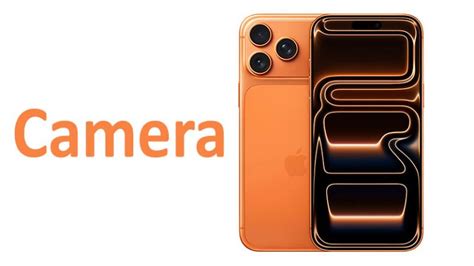
1. For photographers and content creators
If high-quality mobile photography and flexible video capture are priorities, the Pro Max is a strong choice. Look for features such as raw capture modes, high-quality telephoto zoom, optical stabilization, and pro-level video codecs. Choose higher storage configurations if recording extended 4K/8K video locally, and consider investing in a gimbal or external mic for production work.
2. For power users and mobile professionals
Those who rely on the phone for productivity — editing documents, multitasking, video conferencing, or creative work — will benefit from the larger screen and faster silicon. The extended software support means the device stays secure and functional for years, improving long-term value. Evaluate whether the added screen size and battery life meaningfully improve the user’s daily workflow compared to smaller models.
3. For average users who want longevity
Average consumers who tend to keep phones for multiple years may find the Pro Max worthwhile for its combination of future-proof hardware and extended software updates. If the price is a concern, look for trade-in offers (through legitimate channels), carrier deals, or consider lower storage tiers and rely on cloud services for media storage.
4. For users on a budget or those who prioritize portability
If portability, one-handed use, or strict budget considerations are top priorities, the Pro Max may be overkill. The regular Pro or non‑Pro models deliver many of the same software benefits and most everyday performance at a lower price and in a smaller form factor.
Practical purchasing tips
- Pick storage carefully: Choose a tier that reflects real habits—those who shoot a lot of video or keep large app libraries should err on the higher side.
- Evaluate trade-in and carrier deals: Official trade-in or carrier financing can reduce upfront costs but compare net lifetime costs and contract terms carefully.
- Consider protection plans: Extended warranties or insurance can save money on accidental damage for a large, expensive device.
- Assess real upgrade value: If upgrading from the immediate prior generation, tally which new features actually matter day-to-day before committing to the higher price.
- Test ergonomics in person: Big phones look good on spec sheets but can be awkward in pockets and for single-handed tasks — try one in a store to confirm comfort.
Value analysis: Is it worth the price tag?
Value is subjective and depends on priorities. From a purely technical standpoint, the iPhone 17 Pro Max is likely to be at or near the top of the market in several objective areas: display quality, camera flexibility, raw CPU/GPU power, and software support. These translate to tangible benefits for specific types of users — photographers, mobile professionals, and those who keep devices for multiple years.
However, the marginal improvements over the previous generation may be incremental for many users. If a buyer already owns a recent Pro or Pro Max model, the cost of upgrading could outweigh the practical gains. On the other hand, first-time Pro Max buyers, or those upgrading from older non‑Pro models, will likely find the overall package compelling and worth the premium.
Consider the following when assessing value:
- Longevity: Longer iOS update windows increase the total value across ownership years.
- Resale value: Apple devices tend to retain value better than many competitors, partially offsetting initial cost.
- Use-case fit: If the phone solves real pain points (battery that lasts a travel day, camera that replaces a point-and-shoot, or a display that enables mobile editing), it can be an excellent investment.
- Alternatives: Comparable Android flagships may offer similar or better hardware in some respects (zoom, resolution, or charging speeds) at competitive price points; buyers should weigh ecosystem trade-offs.
Conclusion
The iPhone 17 Pro Max is designed for buyers who want the best Apple has to offer and are willing to pay a premium for it. Its strengths are clear: a large, high-quality display, top-tier performance, a versatile camera system, long software support, and excellent battery life. For photographers, mobile professionals, and users who plan to keep a phone for several years, it often represents a compelling value despite the high initial cost.
That said, the premium price is not universally justifiable. Buyers who prioritize compact size, low cost, or maximum repairability should consider other models. Ultimately, the iPhone 17 Pro Max will be worth the price tag for those who will actually use — daily and materially — the features that set it apart from cheaper alternatives. Prospective buyers should evaluate personal use patterns, test the device ergonomically where possible, and consider storage and protection choices carefully to maximize long-term satisfaction.